HydroOne

A UX/UI system for content-heavy utility pages, focused on navigation that surfaces the next step, task-led service journeys, and responsive information architecture.

Hydro One utility page design preview.
Role

UX / UI Designer

Responsive page systems, content hierarchy, service journeys, and interface direction.

Focus

Utility service UX

Help customers find account, outage, billing, rate, and support information with less friction.

System

Content at scale

Reusable modules designed to make long utility pages feel consistent and easier to scan.

Year

2020 – 2021

Nov 2020 to Mar 2021 with the Hydro One product team.

Duration

5 months

Five months of wireframes, mockups, and user flow work to redesign the platform for everyday workforce tasks.

Project arc5 months
Mission

Make high-density utility information easier to navigate.

Hydro One needed service pages that could carry policy, billing, outage, and support content without making customers work to find the next step.

My contribution

I translated complex service content into task-led page patterns.

The work focused on modular hierarchy, responsive structure, navigation logic, and repeatable sections for long-form utility journeys.

[XX%]Bounce rate change
[N+]Ticket reduction
[N,000+]Customers
[XX]Content modules

Show the shift in the product experience.

Replace these placeholders with the strongest evidence of how the interface moved from an earlier state into the final direction.

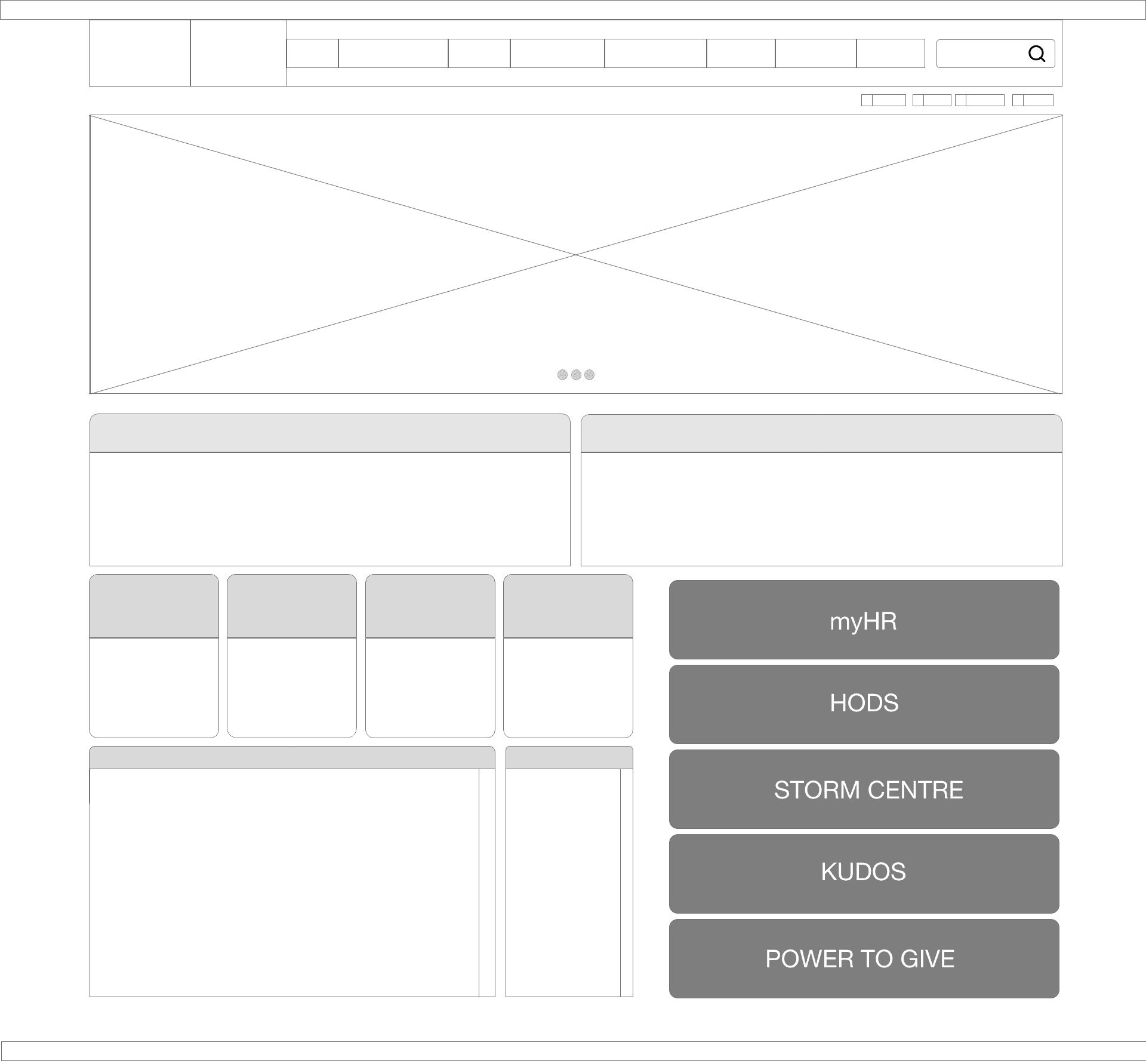
Hydro One previous direction placeholder.
Previous direction[TODO: Daniel — 1–2 sentences on what wasn't working]
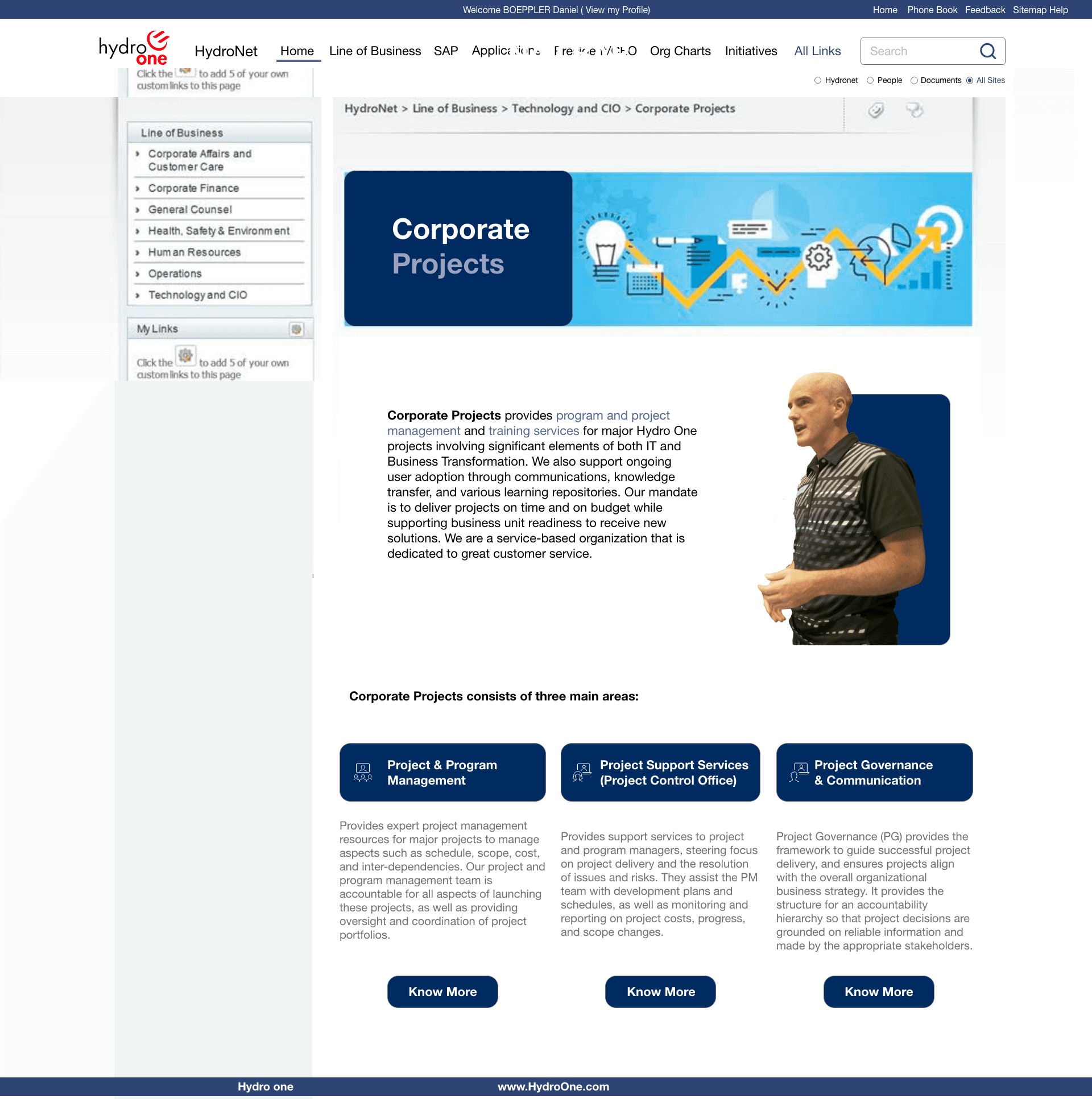
Hydro One refined direction placeholder.
Refined direction[TODO: Daniel — 1–2 sentences on what changed and why]

Utility tasks need a visible next step.

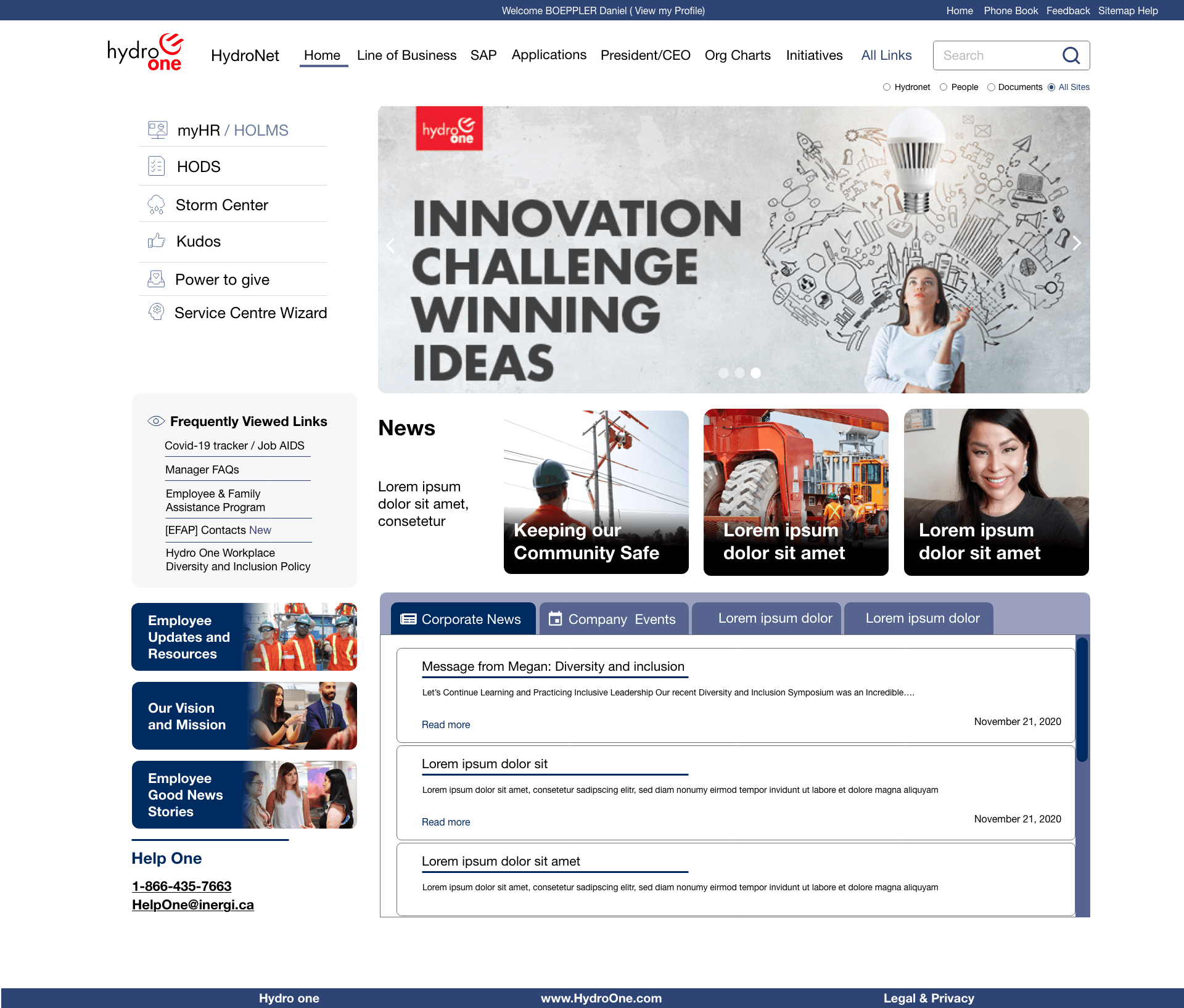
The page system separates high-intent actions from educational content so customers can recover their path quickly, especially when they arrive with an urgent need.

Hydro One homepage and service landing page system.
01 / Entry pointA service gateway for account, outage, and billing needs.

The page structure gives customers clear starting points before they enter deeper utility content.
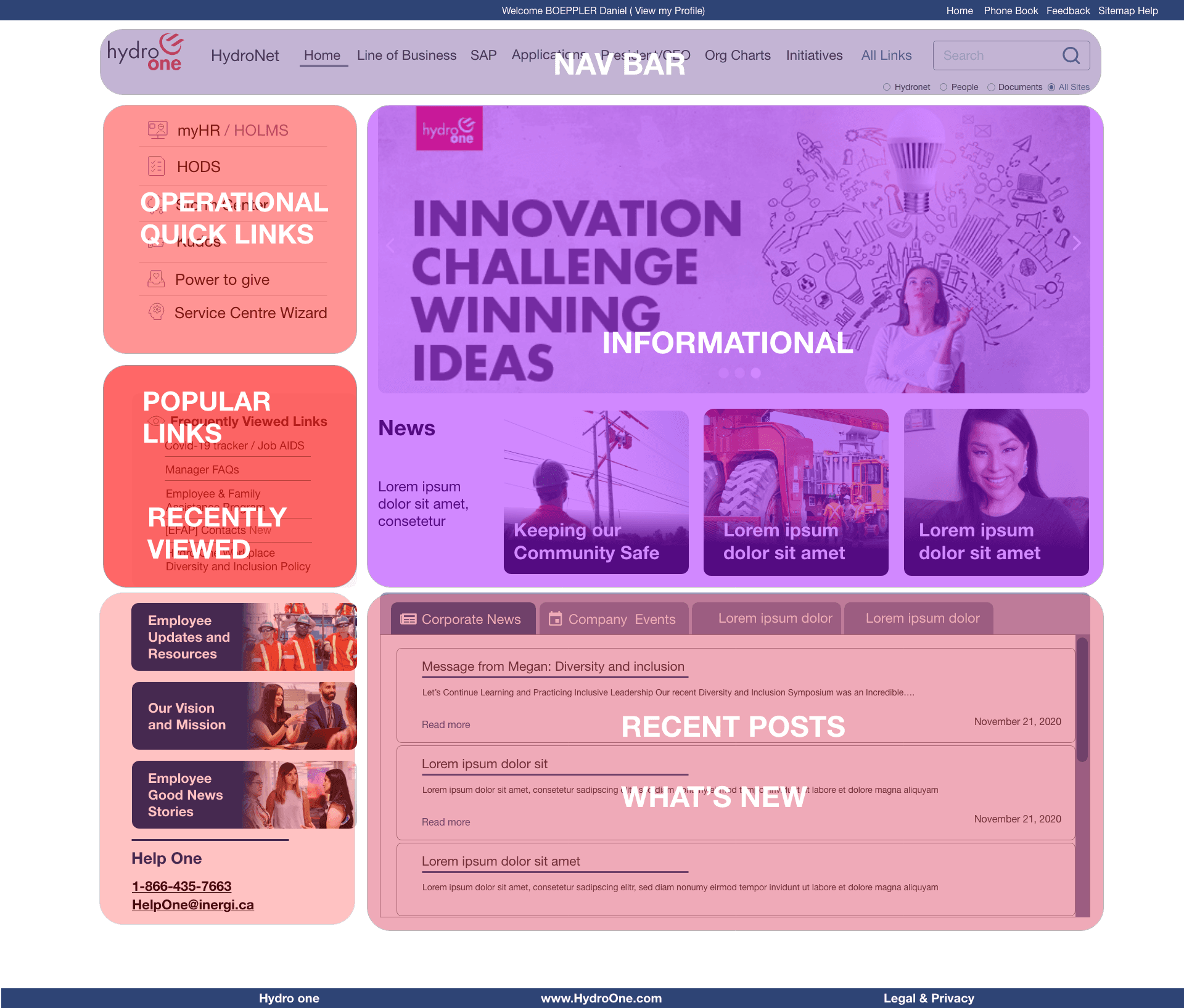
Hydro One outage and service information page.
02 / Service pathOutage content stays direct and task oriented.

Critical support information is surfaced in a hierarchy that supports quick scanning under pressure.
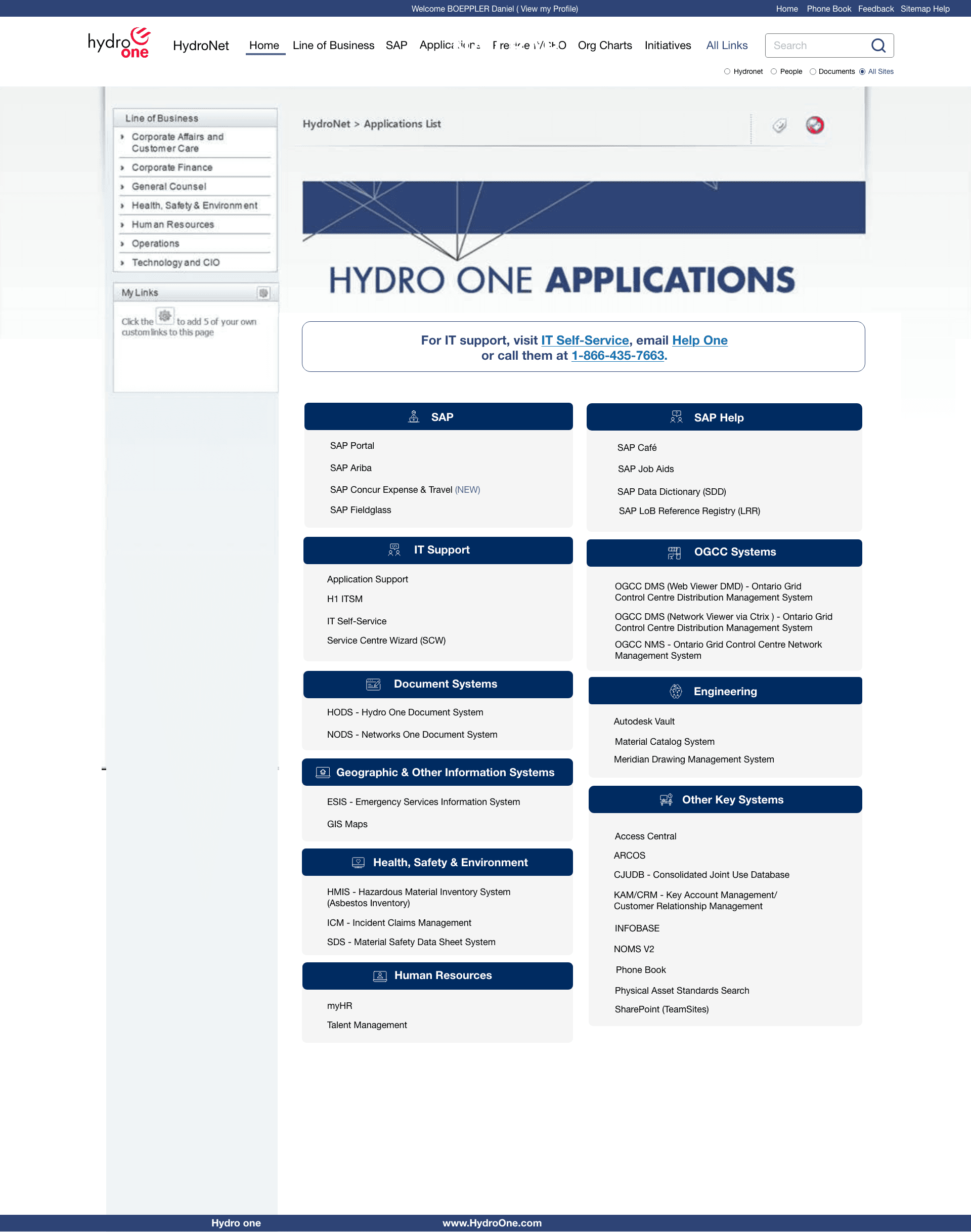
Hydro One rates and billing information page.
03 / Customer educationDense information becomes easier to compare.

Billing and rate content is broken into readable sections so users can understand context before acting.

Long utility pages became structured stories.

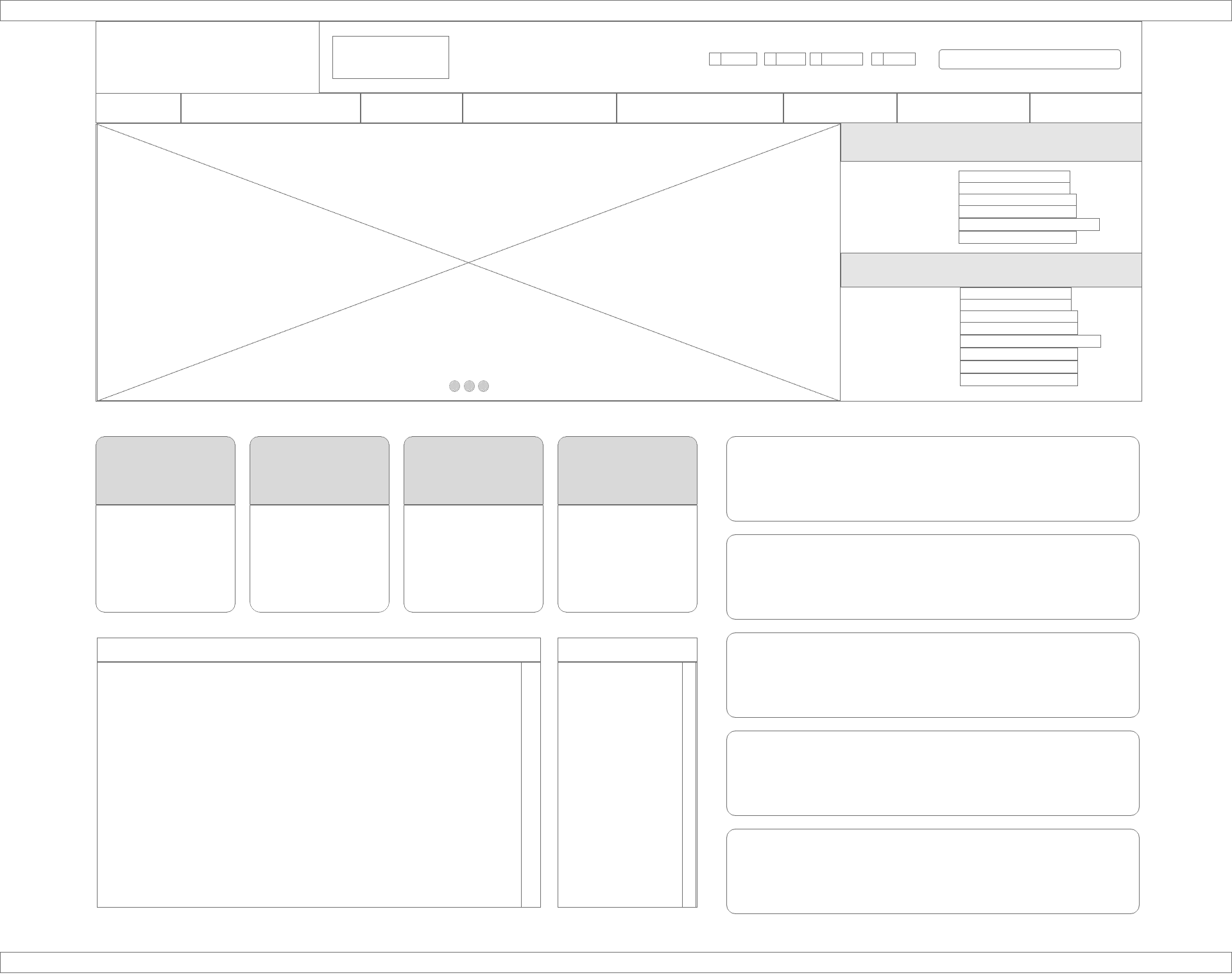
The design language uses repeated blocks, contained imagery, and clear labels so customers can understand what each section is for before reading deeply.
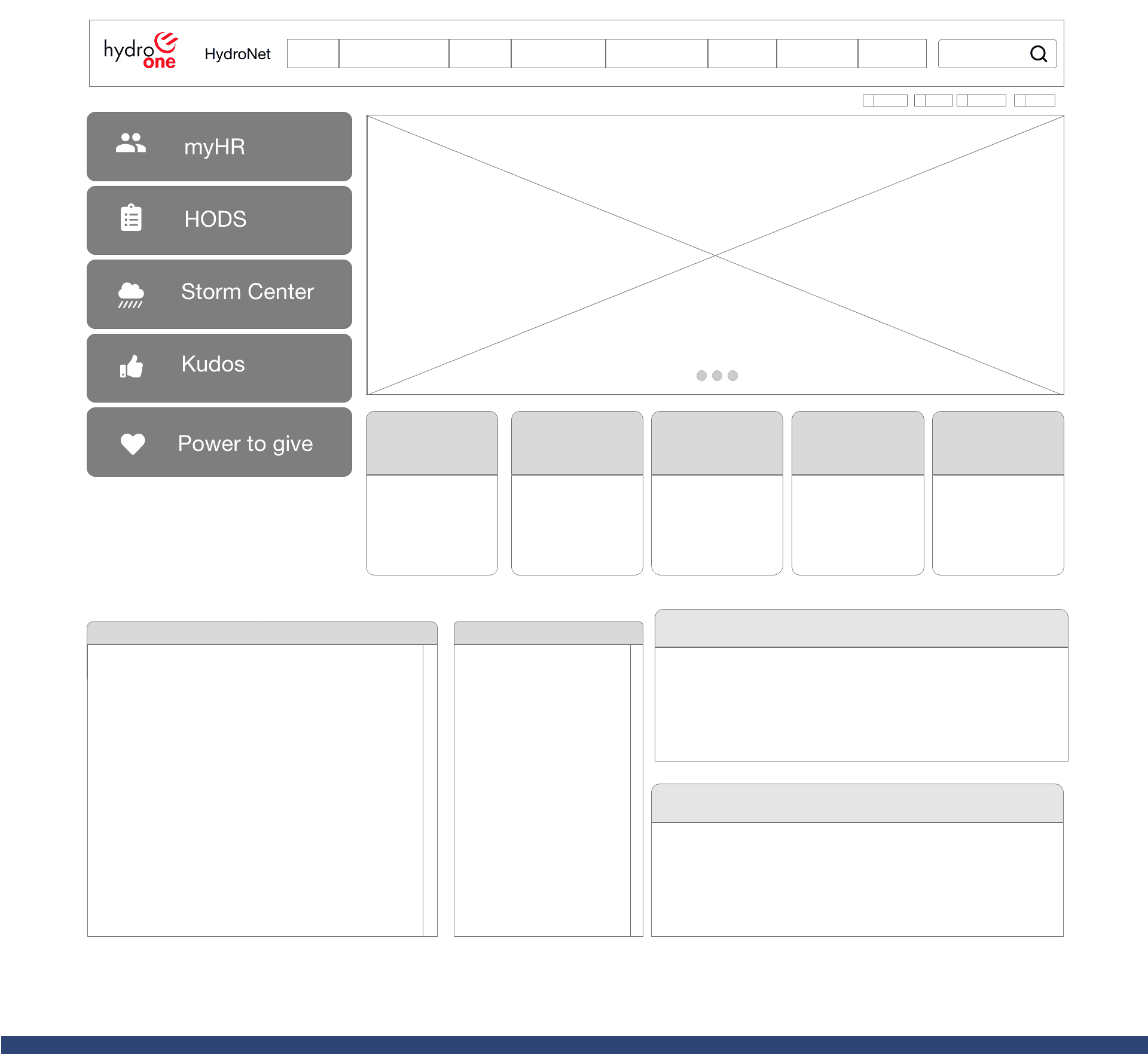
Hydro One residential service page with content modules.
Residential detailLong pages use modular rhythm instead of one continuous wall.
Hydro One navigation and support content page.
Navigation logicSecondary links sit close to the content they support.
Hydro One account and customer page layout.
Account contentUtility actions are grouped around real customer intent.

The system had to survive long mobile pages.

Mobile layouts preserve content order, module rhythm, and touch-friendly actions while keeping important utility information visible.
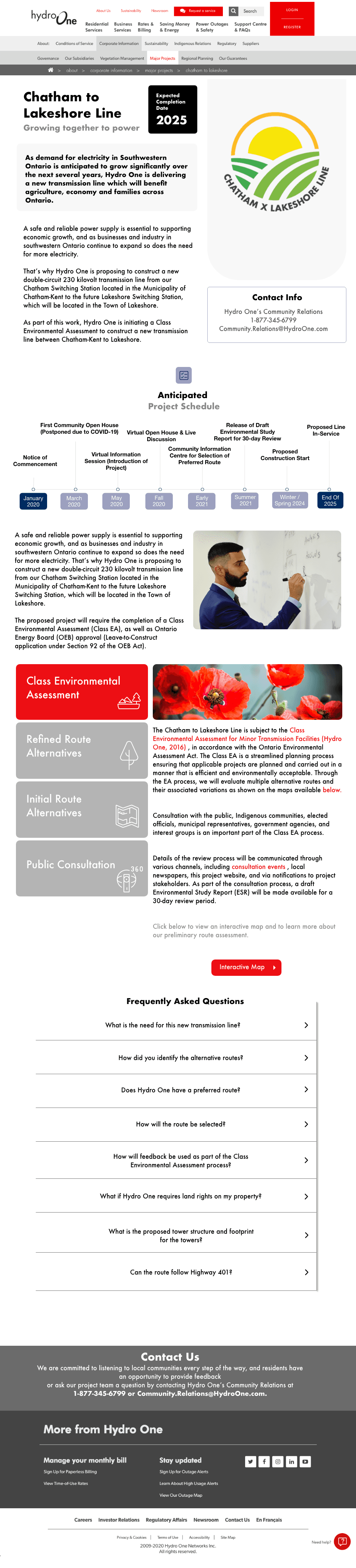
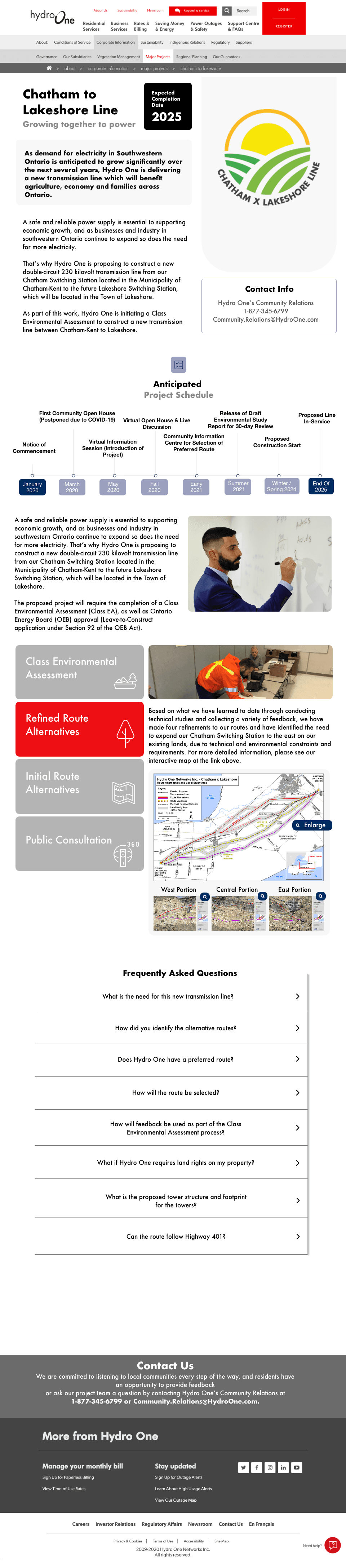
Hydro One responsive long-form utility page.
Responsive pageContent stays scannable when the canvas gets narrow.
Hydro One responsive service content page.
Content flowContent stays scannable when the canvas gets narrow.
Hydro One mobile phone page preview.
Phone stateContent stays scannable when the canvas gets narrow.
Hydro One alternate mobile phone page preview.
Mobile detailContent stays scannable when the canvas gets narrow.
Hydro One long content page showing modular page structure.
System pageReusable content modules make service pages easier to scale.

The visual system helps different page types feel related, even when the content changes from education to account support.

01

Use hierarchy to separate urgent service tasks from educational content.

Emergency and account actions sit ahead of explanatory content so customers can act before reading policy detail.

02

Keep navigation close to the place where customers need it.

Related links stay beside the section they support, reducing jumps between page content and utility navigation.

03

Make reusable page blocks flexible enough for long utility journeys.

Reusable blocks let account, outage, rates, and support pages share structure without forcing identical content.

04

Protect readability and touch targets when pages move to mobile.

Mobile layouts keep copy, controls, and imagery within practical tap and reading ranges for long service pages.

Outcome

A utility experience that is easier to move through.

Hydro One's page system brings visible hierarchy, reusable content patterns, and responsive structure to customer journeys that could otherwise feel dense and difficult.